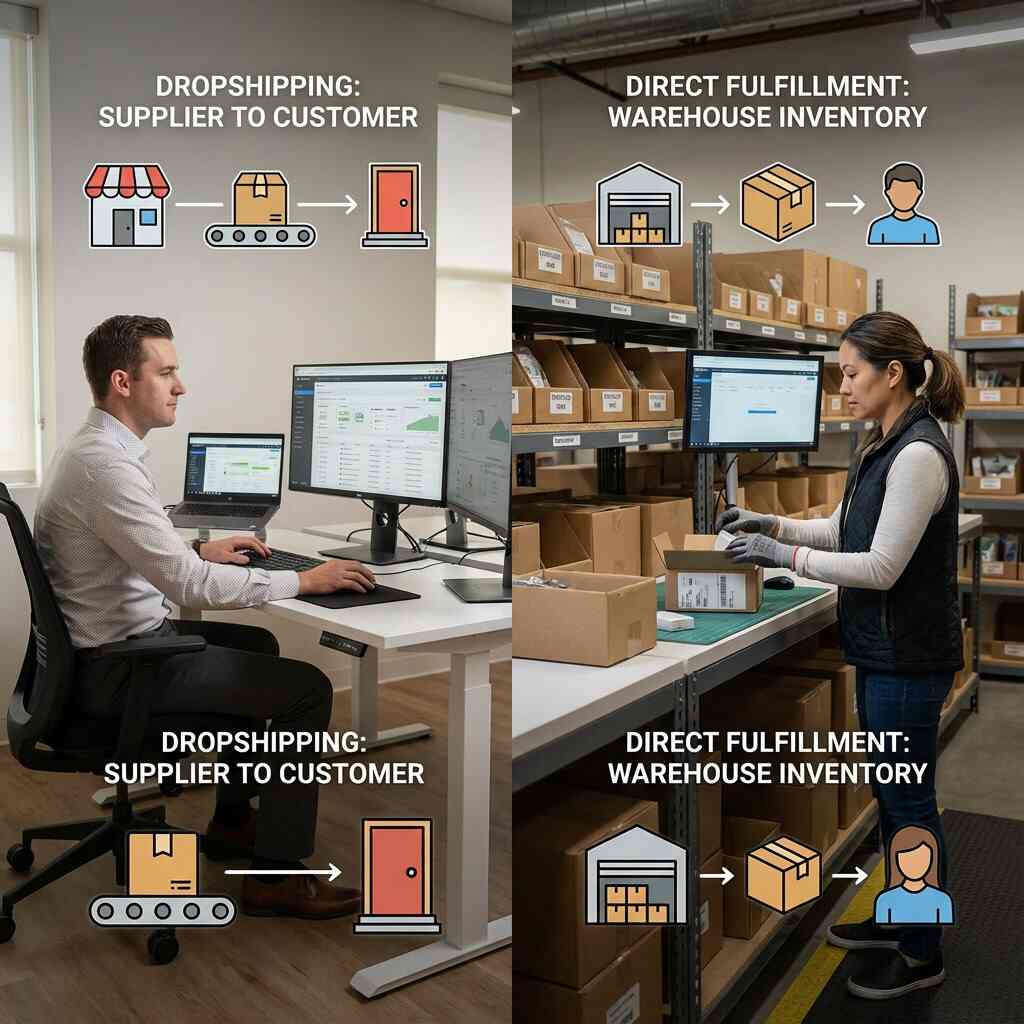

Many beginners hear about dropshipping but struggle to understand how dropshipping works in real life. The concept often sounds simpler than it actually is, which leads to confusion and unrealistic expectations.
This guide explains the actual step-by-step process of dropshipping, focusing on what happens from the moment a customer places an order to the moment the product is delivered.
1. How Does Dropshipping Work?
Dropshipping works by allowing a seller to accept customer orders without storing inventory. When a customer buys a product, the seller forwards the order details to a supplier, who then ships the product directly to the customer. The seller manages the storefront, pricing, and customer communication.
2. Step 1: The Customer Visits the Online Store
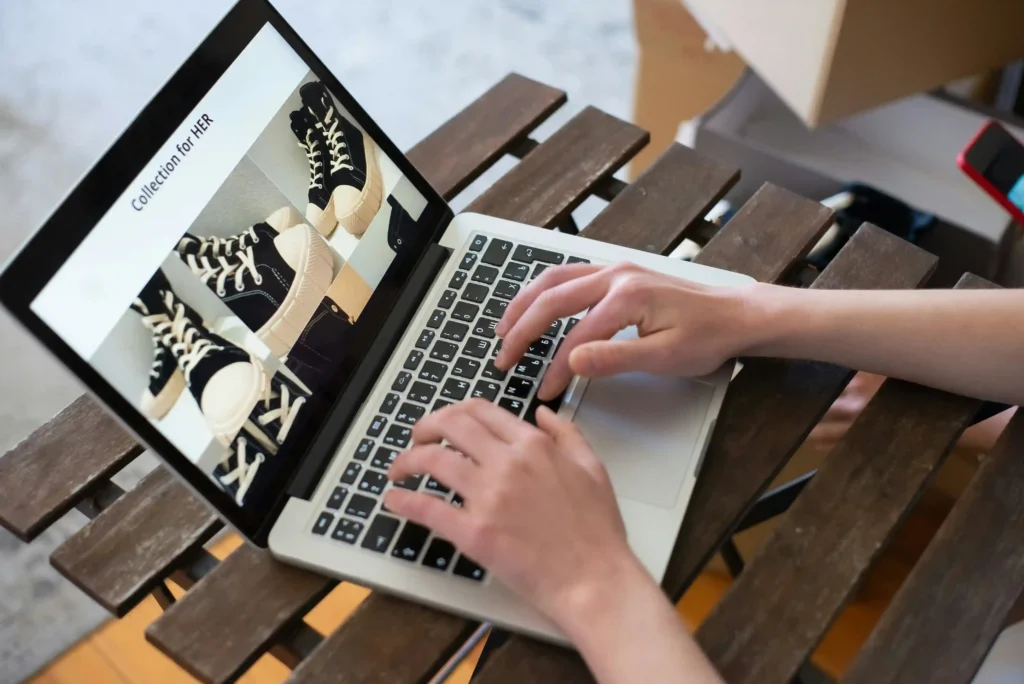
Everything starts with the buyer.
I. The customer browses products.
II. They compare options.
III. They decide to place an order.
At this stage, trust and clarity matter most.
3. Step 2: The Customer Places an Order
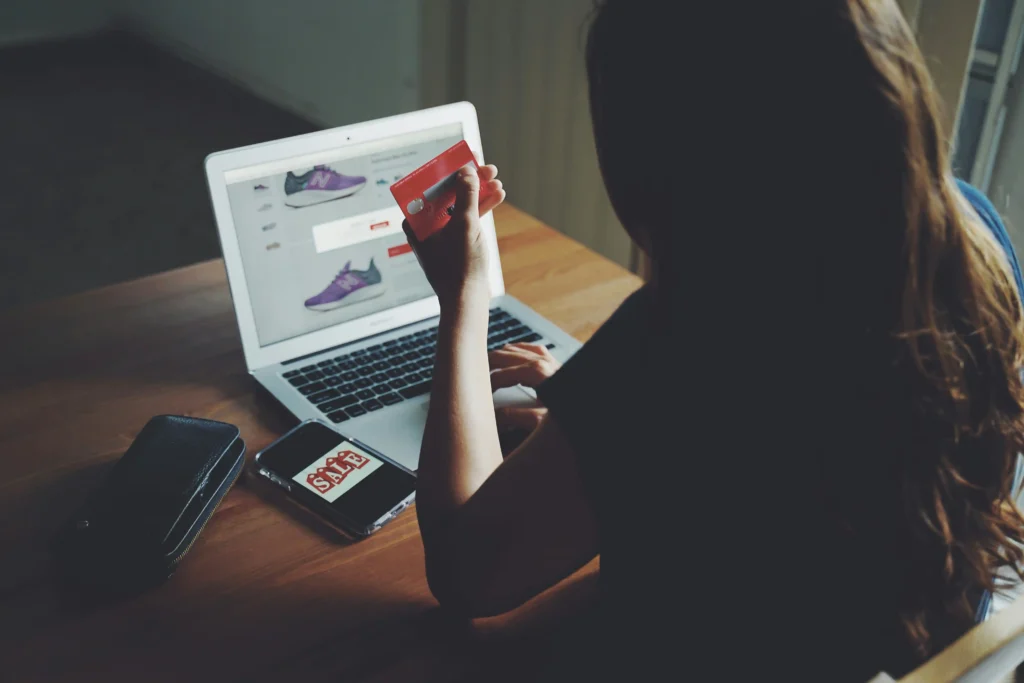
The checkout process begins.
I. The buyer confirms product details.
II. Payment is completed.
III. Order confirmation is generated.
From the customer’s view, the store is the seller.
4. Step 3: The Seller Receives the Order
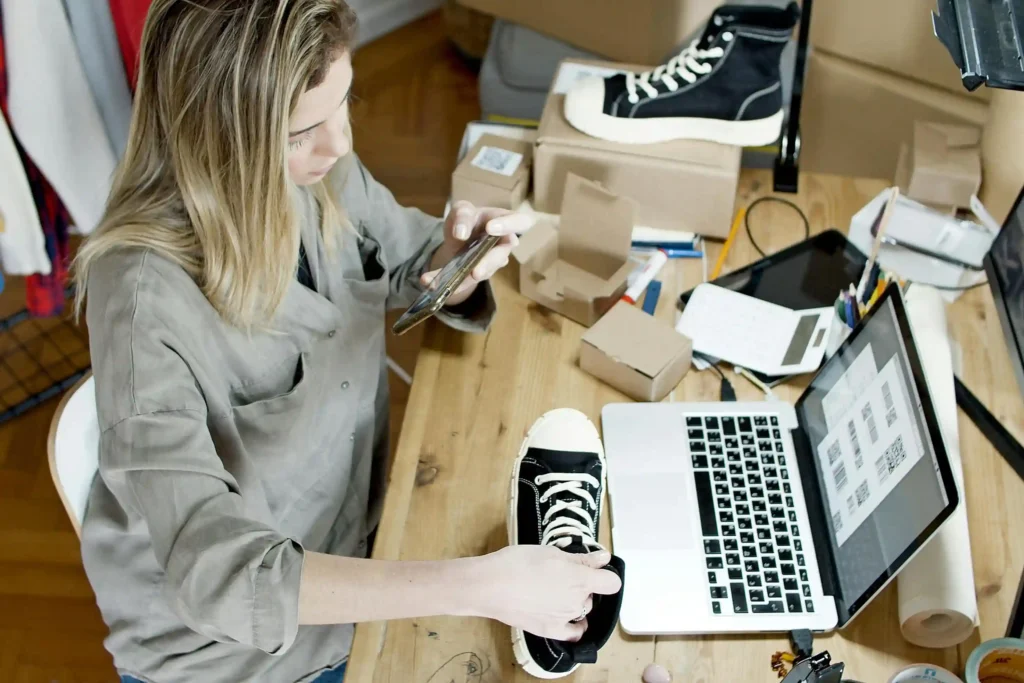
The seller does not ship the product.
I. Order details are reviewed.
II. Customer information is verified.
III. Product availability is confirmed.
Accuracy at this step prevents problems later.
5. Step 4: The Order Is Forwarded to the Supplier
This is where dropshipping differs from traditional ecommerce.
I. Product details are shared.
II. Shipping address is provided.
III. Fulfillment responsibility shifts.
The supplier prepares the shipment.
6. Step 5: The Supplier Ships the Product
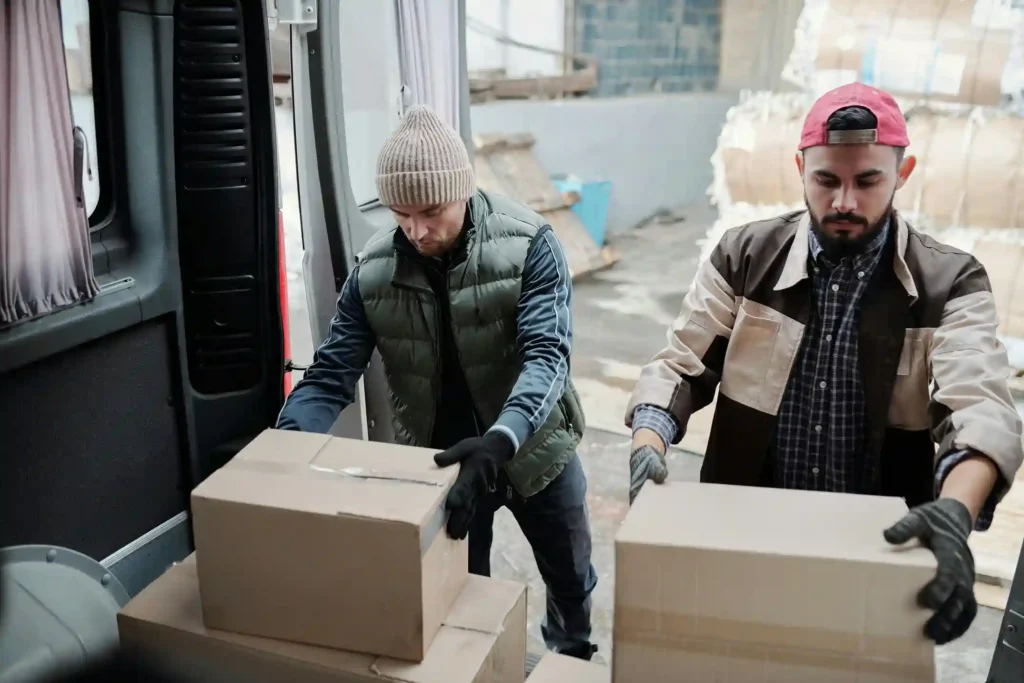
The product is shipped directly to the customer.
I. Packaging is handled by the supplier.
II. Shipping timelines depend on location.
III. Tracking information may be generated.
The seller still remains responsible for communication.
7. Step 6: The Customer Receives the Order

Delivery completes the transaction.
I. The customer receives the product.
II. Expectations are evaluated.
III. Satisfaction affects trust.
At this stage, the customer decides whether they trust your store enough to buy again.
8. Step 7: Customer Support and After-Sale Responsibility
Dropshipping does not remove responsibility.
I. Questions must be answered.
II. Issues must be resolved.
III. Returns or refunds may occur.
The seller owns the customer relationship.
Platforms like Shopify emphasize that successful dropshipping businesses focus on customer experience, supplier reliability, and clear communication rather than just product selection.
9. Where Profit Comes From in Dropshipping
Profit is created through pricing.
I. The seller sets retail prices.
II. The supplier charges wholesale costs.
III. The difference becomes margin.
Efficiency and trust protect profitability.
10. Common Misunderstandings About How Dropshipping Works
Many beginners misunderstand the process.
I. Sellers think suppliers handle everything.
II. Customer service is often underestimated.
III. Shipping delays are ignored.
Clarity prevents frustration.
11. When Dropshipping Works Best
Dropshipping works best when:
I. Product expectations are clear.
II. Communication is transparent.
III. Processes are organized.
Structure matters more than shortcuts.
12. Beginner Mistakes in Dropshipping Process
Not checking supplier reliability
I. Ignoring shipping time
II. No order tracking
III. Poor communication
13. How to Make This Process Smooth
Use reliable suppliers
I. Automate order forwarding
II. Set clear delivery expectations
III. Focus on customer communication
14. Real-Life Example of a Dropshipping Order
To understand how dropshipping actually works, consider a simple example.
A customer visits your store and buys a product for $30.
You then purchase the same product from a supplier for $15.
The supplier ships the product directly to the customer.
Your profit is the difference, after deducting transaction fees and advertising costs.
I. What can go wrong?
I. Shipping delays due to supplier location
II. Product quality not matching expectations
III. Incorrect or damaged delivery
II. Beginner vs experienced reaction
I. Beginners often panic and lose customer trust
II. Experienced sellers communicate clearly, offer solutions, and manage expectations
👉 This example shows that success depends on process handling, not just pricing
15. What Can Go Wrong in Each Step
Each stage of the dropshipping process carries its own risks.
I. Customer stage
- Lack of trust can prevent purchases
- Poor product pages reduce conversions
II. Order stage
- Payment failures or checkout errors
- Incorrect customer information
III. Supplier stage
- Product out of stock
- Supplier delays
IV. Shipping stage
- Long delivery times
- Wrong address or tracking issues
V. Delivery stage
- Damaged or incorrect product
- Customer dissatisfaction
👉 Identifying these risks early helps prevent major problems.
16. Dropshipping Workflow Explained
The dropshipping process follows a simple structure:
Customer → Store → Supplier → Customer
I. Who controls what?
- Seller controls: pricing, store, customer communication
- Supplier controls: product, packaging, shipping
II. Where risks exist?
- Supplier reliability
- Shipping delays
- Product quality
👉 Even though the supplier handles fulfillment, the seller is responsible for the customer experience
17. Is Dropshipping Passive Income?
Many beginners believe dropshipping is passive income, but this is not accurate.
Dropshipping requires ongoing involvement in:
- Customer support
- Order tracking
- Handling complaints and refunds
👉 While some tasks can be automated, the business is not fully passive
18. Common Beginner Mistakes in the Dropshipping Process
Mistakes in execution often lead to failure.
I. Choosing unreliable suppliers
Poor suppliers lead to delays and low-quality products.
II. Ignoring shipping times
Unrealistic expectations damage customer trust.
III. Lack of order tracking
Customers expect updates and transparency.
IV. Weak communication
Delayed responses create negative experiences.
👉 Avoiding these mistakes improves long-term success.
19. How to Make the Dropshipping Process Smooth
A structured approach improves efficiency and results.
I. Use reliable suppliers
Always test suppliers before scaling.
II. Automate operations
Use tools to automate order forwarding and tracking.
III. Set clear expectations
Display accurate shipping times and policies.
IV. Focus on communication
Quick and clear responses build customer trust.
👉 Smooth processes lead to repeat customers and fewer issues.
20. Tools That Support the Dropshipping Workflow
Using the right tools can simplify operations.
I. Ecommerce platforms
Platforms like Shopify allow easy store setup and order management.
II. Supplier platforms
Services like AliExpress connect sellers with product suppliers.
III. Automation tools
Automation tools help sync orders and tracking details.
👉 These tools reduce manual work and improve efficiency.
21. Why Understanding the Process Matters
Many beginners fail because they underestimate how the system works.
Understanding the full process helps you:
- Set realistic expectations
- Avoid common mistakes
- Improve customer satisfaction
- Build a sustainable business
👉 Knowledge of the workflow is more important than just starting quickly.
22. How Automation Changes Dropshipping Workflow
Automation plays a major role in modern dropshipping.
I. Order automation
Orders can be automatically sent to suppliers without manual work.
II. Tracking updates
Tracking numbers can be synced and shared with customers instantly.
III. Inventory syncing
Some tools update product availability in real time.
👉 Automation reduces workload but does not eliminate responsibility.
23. Dropshipping vs Amazon FBA
I. Dropshipping
- No inventory required
- Supplier ships products
- Lower upfront cost
- Less control
II. Amazon FBA (Fulfillment by Amazon)
- Inventory is sent to Amazon warehouses
- Amazon handles packing and shipping
- Faster delivery
- Higher upfront investment
III. Key difference
Dropshipping focuses on flexibility, while Amazon FBA focuses on speed and control.
24. Advanced Insight: Why Most Beginners Fail
Most beginners fail not because dropshipping doesn’t work, but because they misunderstand the process.
I. Expecting instant results
Many expect quick profits without understanding operations.
II. Ignoring customer experience
Shipping delays and poor support damage trust.
III. Poor supplier selection
Unreliable suppliers lead to major issues.
IV. Lack of system thinking
Successful sellers focus on systems, not just products.
👉 Dropshipping is a process-driven business, not a shortcut.
25. Expert Tip: Treat Dropshipping Like a Real Business
To succeed long-term, treat dropshipping professionally.
I. Focus on trust
Clear policies and honest communication build credibility.
II. Think long-term
Avoid short-term tactics that harm reputation.
III. Build systems
Create repeatable processes for orders, support, and marketing.
👉 This mindset separates successful sellers from beginners.
26. Practical Insight: What Most Beginners Learn Too Late
Many beginners understand the steps but struggle in real execution.
In practice, the biggest challenges are:
I. Supplier inconsistency
Even good suppliers can delay orders or run out of stock without warning.
II. Customer expectations
Customers expect fast delivery similar to major platforms, which creates pressure on new sellers.
III. Handling complaints
Refunds, disputes, and negative feedback are part of the process and must be managed professionally.
👉 Important insight:
Success in dropshipping depends less on the product and more on how well you handle problems when they occur.
Conclusion
Dropshipping is not about avoiding work. It is about shifting responsibilities. Inventory is removed, but customer trust, communication, and process management remain critical. Understanding how dropshipping actually works helps beginners approach it realistically and responsibly.
FAQs
Does the seller ever see the product in dropshipping?
No. Products are shipped directly from the supplier to the customer.
Who handles refunds in dropshipping?
The seller handles refunds and customer communication, even if the supplier ships the product.
Is dropshipping fully automated?
No. Order management, customer support, and quality control still require active involvement.
Can shipping issues affect the seller’s reputation?
Yes. Customers associate the experience with the store, not the supplier.

Founder of HireEcomExperts.com — a platform helping online entrepreneurs find trusted Fiverr freelancers for Shopify, dropshipping, Amazon FBA, and digital marketing. Website Developer and SEO specialist with hands-on experience in ecommerce growth strategies.