
Introduction
If you’re wondering is dropshipping legal in the USA, the short answer is yes, the business model itself is legal when you follow the law. What determines legality is not the fulfillment method, but how you operate, collect taxes, comply with consumer protections, and avoid restricted or counterfeit goods.
1. Is Dropshipping Legal in the USA?
Dropshipping is legal in the USA as long as you comply with federal and state laws, collect and remit required taxes, obey consumer protection rules, and avoid selling prohibited or counterfeit products. The fulfillment method does not make the business illegal; compliance with legal obligations does.
2. Why Dropshipping Is Legal
At its core, dropshipping is a form of retail. You sell products, customers place orders, and a supplier fulfills those orders. The business model itself isn’t banned or restricted in U.S. law, just like traditional ecommerce.
The legal focus is on how you conduct business—not whether you store products or use a supplier.
3. Business Registration and Legal Structure
Even though dropshipping is legal, you still need to consider basic business requirements.
I. Many states require registration for any business selling products.
II. You may choose a sole proprietorship, LLC, or corporation.
III. Having a legal business entity helps with tax compliance and liability protection.
Business structure doesn’t affect legality, but it affects reporting and tax obligations.
4. Sales Tax: What U.S. Sellers Must Know
In the U.S., sales tax is governed by states, not the federal government.
I. You generally must collect and remit sales tax in states where you have a tax nexus.
II. Nexus means a connection to a state, such as a physical presence, employees, or sometimes reaching a sales threshold.
III. After South Dakota v. Wayfair, states can require sales tax collection even without physical presence.
Sales tax rules vary by state, so many sellers consult accountants or advisors to track obligations.
5. Income Tax Obligations
Dropshipping incomes are treated like other business income.
I. If you are a U.S. resident or citizen, you generally report profits on your federal tax return.
II. Net income is taxable after expenses and deductions.
III. If you operate through an LLC or corporation, tax filings may differ.
Non-residents may have different filing rules, especially if they have U.S. presence or agents.
6. Consumer Protection and Compliance Rules
Dropshipping businesses must comply with consumer protection laws just like any other retailer.
I. Products must be accurately described and not misleading.
II. Delivery promises must be truthful and not deceptive.
III. Refund and return policies should be transparent.
False advertising or hidden delivery timelines can trigger legal complaints or enforcement actions.
7. Product Safety and Intellectual Property
Selling unsafe or counterfeit products can make a dropshipping business illegal.
I. Many products must meet safety standards.
II. Selling brand-name items without authorization can violate trademark laws.
III. Copyright infringement on images or descriptions can lead to legal action.
Sellers must ensure that what they list and sell meets legal requirements.
8. Data Privacy, Advertising, and Marketing Compliance
Dropshipping stores must handle customer data responsibly.
I. Websites collecting personal data must disclose privacy practices.
II. Misleading ads, fake reviews, or undisclosed endorsements can violate advertising standards.
III. Email and marketing must comply with anti-spam laws.
Ignoring these areas can expose a business to fines and legal scrutiny.
9. Common Dropshipping Compliance Mistakes
Beginners often make avoidable legal mistakes.
I. Failing to register for sales tax in states where they have nexus.
II. Using supplier descriptions and images without permission.
III. Misrepresenting products or delivery timelines.
Understanding compliance prevents penalties and supports long-term viability.
10. Real Example: Legal vs Non-Compliant Dropshipping Store
Understanding legality becomes easier with a real scenario.
Compliant store:
- Clearly displays refund policy
- Shows accurate shipping times
- Uses original product descriptions
- Collects tax where required
👉 Result:
Customers trust the store, and legal risks stay low.
Non-compliant store:
- Uses copied images from brands
- Promises “3-day delivery” but ships in 15 days
- No refund policy
- No tax handling
👉 Result:
- Customer disputes
- Payment gateway issues
- Possible legal complaints
👉 Key insight:
Dropshipping is legal — but bad practices make it risky.
11. Key Legal Checklist for Beginners
Instead of guessing, follow this checklist:
I. Business basics
- Register business if required
- Choose structure (optional but recommended)
II. Website compliance
- Privacy Policy
- Terms & Conditions
- Refund Policy
III. Product legality
- Avoid counterfeit items
- Check product restrictions
IV. Tax awareness
- Understand nexus rules
- Track sales properly
V. Transparency
- Honest shipping times
- Clear product descriptions
12. Common Confusion for Non-US Dropshippers
Many readers are not from the USA.
Important clarification:
- You can sell to US customers from outside the US
- You may still have tax obligations depending on activity
- Payment platforms may require verification
👉 Key point:
Location does not remove responsibility — it changes how rules apply.
13. Payment Gateways and Legal Compliance
Platforms like:
have strict rules.
They monitor:
- Refund rates
- Customer disputes
- Business transparency
👉 If your store is not compliant:
- Accounts can be limited
- Funds can be held
👉 This is a real risk most beginners ignore
14. Advertising Compliance (Often Ignored)
Legal issues don’t only come from products.
They also come from marketing.
Risky practices:
- Fake “limited stock” claims
- Misleading discounts
- Fake reviews
Platforms like:
can suspend accounts for misleading ads.
👉 Honest marketing is not optional — it’s required.
15. When Dropshipping Becomes Illegal
Dropshipping itself is legal.
But it becomes illegal when you:
- Sell counterfeit products
- Mislead customers
- Avoid taxes intentionally
- Violate consumer protection laws
👉 Important:
Illegality comes from actions, not the business model.
16. Federal vs State Laws in Dropshipping
Understanding the difference between federal and state laws is important for compliance.
I. Federal regulations
At the federal level, dropshipping businesses must follow consumer protection and advertising laws enforced by the Federal Trade Commission.
These rules focus on:
- Preventing deceptive advertising
- Protecting customer rights
- Ensuring fair business practices
II. State-level regulations
Each state may have its own:
- Sales tax rules
- Business registration requirements
- Consumer protection laws
Because of this, a dropshipping business must comply with both federal and state requirements.
17. Dropshipping vs Traditional Ecommerce (Legal Perspective)
Many beginners think dropshipping has different legal rules than traditional ecommerce.
I. Core similarity
Both models are legally treated as retail businesses.
II. Key difference
The only difference is:
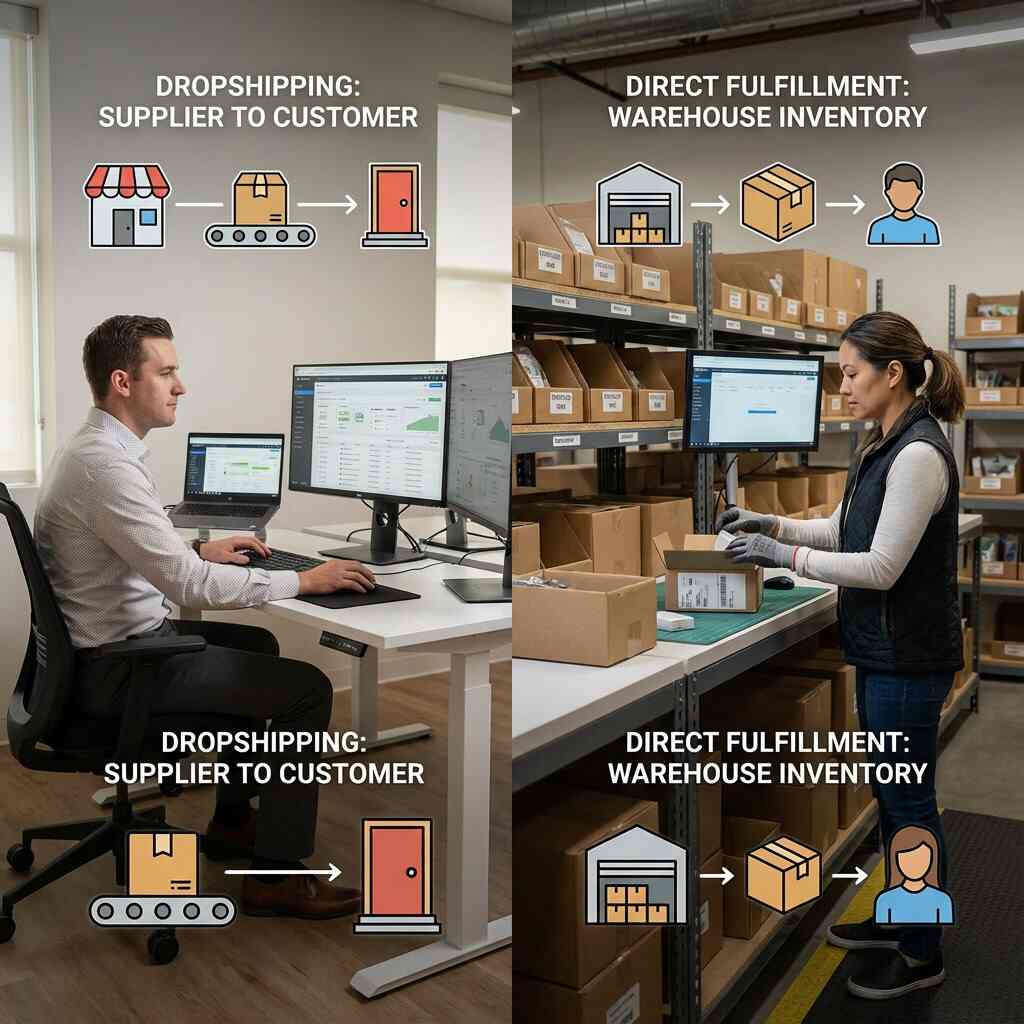
- Dropshipping → supplier ships product
- Traditional ecommerce → seller stores inventory
III. Legal implication
From a legal standpoint:
- Tax obligations remain the same
- Consumer protection laws still apply
- Advertising rules do not change
👉 This proves that legality depends on business practices, not fulfillment method.
18. Record-Keeping and Documentation Requirements
Maintaining proper records is essential for legal and tax compliance.
I. Sales records
Track all orders, revenue, and transactions accurately.
II. Expense tracking
Keep records of:
- Product costs
- Advertising spend
- Platform fees
III. Tax documentation
Proper documentation helps when:
- Filing taxes
- Responding to audits
- Proving compliance
👉 Poor record-keeping is one of the most common reasons businesses face legal issues.
19. Long-Term Compliance Strategy for Dropshipping
Dropshipping is not just about starting — it’s about staying compliant over time.
I. Regular policy updates
Laws and platform rules change frequently. Staying updated helps avoid unexpected penalties.
II. Supplier verification
Always verify suppliers to ensure:
- Product authenticity
- Legal compliance
- Reliable shipping
III. Customer-first approach
Transparency in:
- Pricing
- Shipping
- Refunds
builds trust and reduces disputes.
👉 Long-term success depends more on compliance and trust than short-term profits.
20. Practical Insight: Real Challenges in Dropshipping Compliance
Many beginners understand the rules but struggle in real situations.
From a practical perspective, common challenges include:
I. Supplier reliability issues
Some suppliers provide inaccurate stock or delayed shipping, which can lead to customer complaints even if the seller is honest.
II. Unexpected tax complexity
Many beginners underestimate how quickly tax obligations grow once sales increase across multiple states.
III. Platform restrictions
Payment gateways and advertising platforms often enforce stricter rules than laws themselves, making compliance even more important.
👉 Practical insight:
Understanding legal rules is important, but applying them consistently in real business situations is what determines long-term success.
21. How to Stay Legally Safe as a Beginner
To reduce legal risks, beginners should focus on simple but effective practices:
- Always work with verified suppliers
- Avoid trending products that may violate trademarks
- Start with clear shipping timelines
- Use original product descriptions
- Keep business records from day one
👉 These small steps significantly reduce the chances of legal issues.
22. Legal Disclaimer
Disclaimer:
This content is for informational purposes only and does not constitute legal or tax advice. Laws and regulations vary by location and may change over time. Readers should consult a qualified legal or tax professional for advice specific to their situation.
Related Topics You Should Understand
- How sales tax works in ecommerce
- Difference between LLC and sole proprietorship
- How to choose reliable suppliers
- Basics of ecommerce compliance
FAQs
Do I need a U.S. LLC to dropship legally in the USA?
No. An LLC is not required to operate legally, but forming an entity helps with tax reporting and liability protection.
What taxes do dropshippers pay in the USA?
Dropshippers pay income tax on net profits and may need to collect and remit sales tax in states where they have nexus.
Is selling any product legal in dropshipping?
No. Selling counterfeit, restricted, or unsafe products can make your business illegal. Compliance with safety and trademark laws is essential.
Can state tax rules change often?
Yes. State tax rules can change frequently, especially after policy updates or court decisions. Sellers should review state guidelines regularly or consult a professional.

Founder of HireEcomExperts.com — a platform helping online entrepreneurs find trusted Fiverr freelancers for Shopify, dropshipping, Amazon FBA, and digital marketing. Website Developer and SEO specialist with hands-on experience in ecommerce growth strategies.